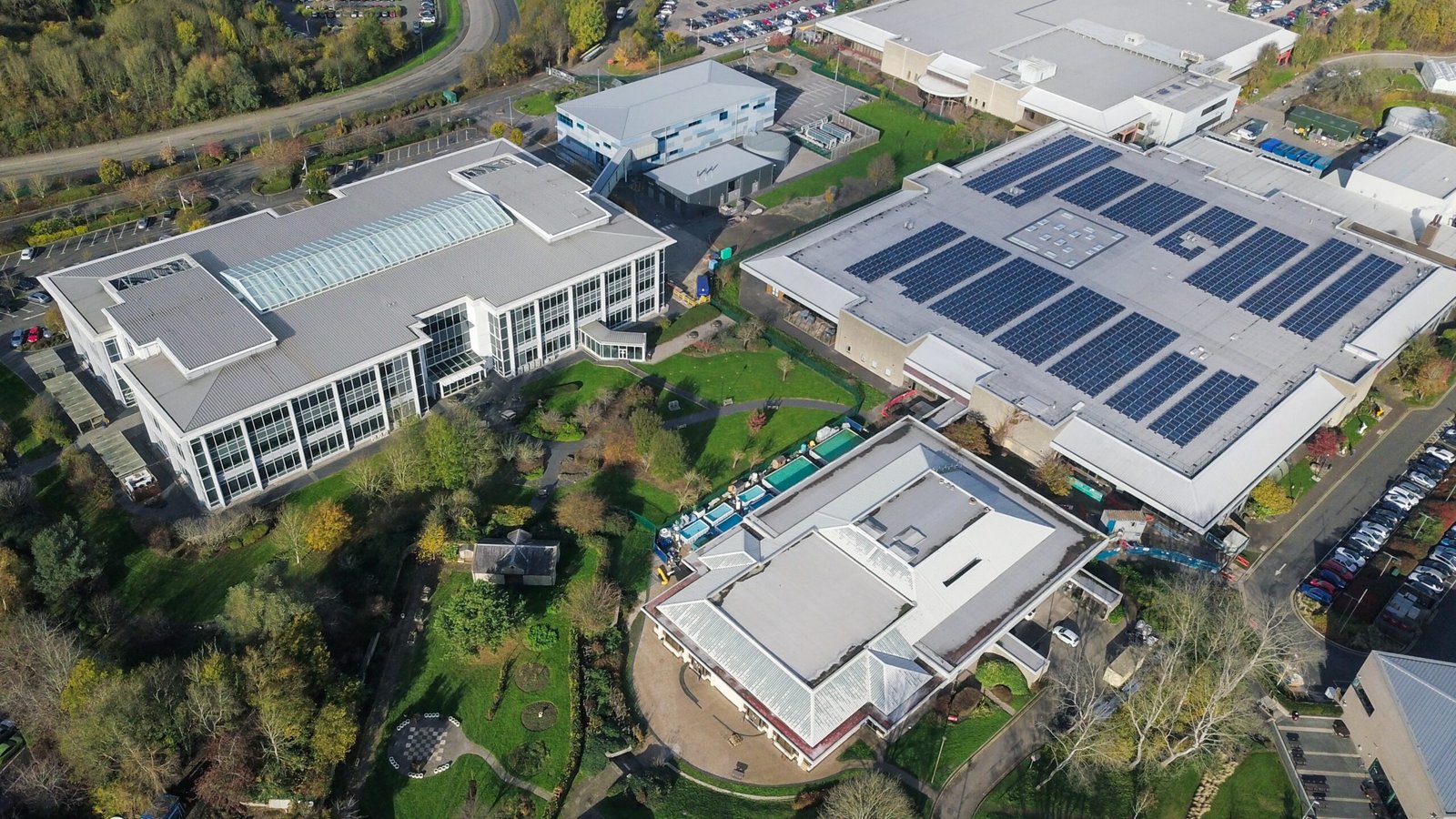
Maruti Suzuki India has commissioned a 300kW green hydrogen electrolyser at its Manesar manufacturing facility in Haryana, using surplus solar power to produce hydrogen for blending with natural gas as a process fuel.
The pilot project is part of the automaker’s broader effort to introduce multiple renewable energy technologies into its manufacturing operations and reduce emissions from its production facilities.
The electrolyser uses solar electricity generated at the Manesar plant during holidays, when power consumption is lower. Instead of allowing the surplus renewable energy to remain unused, the facility uses it to produce hydrogen, which is subsequently stored and deployed in manufacturing operations.
The hydrogen is compressed and stored before being blended with natural gas and supplied as process fuel. Maruti Suzuki said the experience from the pilot will help it evaluate the potential for expanding green hydrogen use across its manufacturing facilities in Haryana and Gujarat.
Hisashi Takeuchi, Managing Director and CEO, Maruti Suzuki India, said the project aligns with the government’s Green Hydrogen Mission and forms part of the company’s multi-technology approach towards lowering emissions from manufacturing.
Maruti Suzuki is targeting a reduction in the carbon footprint of its manufacturing operations from 615,000 tonnes to 266,000 tonnes by FY2030-31. The company said this target will be supported by a combination of clean-energy initiatives rather than relying on green hydrogen alone.
The Manesar project is currently a pilot and the company has specified the electrolyser capacity at 300kW, without disclosing a hydrogen production figure in tonnes per day. The findings from the project will be used to assess potential deployment at a wider scale.
Alongside green hydrogen, Maruti Suzuki is expanding its use of solar power, biogas and battery energy storage across its manufacturing network. The company operates captive solar installations and also sources renewable electricity through government arrangements and power purchase agreements covering solar and wind energy.
At its Kharkhoda facility, the company is progressing towards commissioning a 10-tonnes-per-day biogas plant during FY2026-27. It has also commissioned a 1MWh battery energy storage system at the site and has begun using compressed biogas as a process fuel.
Maruti Suzuki’s board has separately approved four compressed biogas projects with a proposed investment of Rs 561 crore. Suzuki Motor Corporation is also working with the National Dairy Development Board and dairy industry unions on plans for 10 biogas plants in India, with three already operational in Gujarat.
Send news announcements/press releases to:
jeevika@thefoundermedia.in