Many EV logistics players focus on a single vertical. Green Drive describes itself as offering & one-stop EV solutions and why did you choose a full-stack approach instead of specializing?
We saw early on that the transition to electric mobility cannot be solved by putting an EV into an existing fleet model. Businesses need support across the entire operating cycle, from vehicle deployment and logistics to charging, maintenance and rentals, and fleet management. That is why we chose to build a full-stack EV ecosystem rather than specialise in one segment. Our model brings these services together on a single platform, allowing us to serve different mobility requirements while giving customers a more integrated and cost-effective solution. It also gives us the flexibility to support first, mid, and last-mile operations as well as passenger transportation.
What role does technology play in differentiating Green Drive from traditional fleet operators who are simply adding EVs to an existing model?
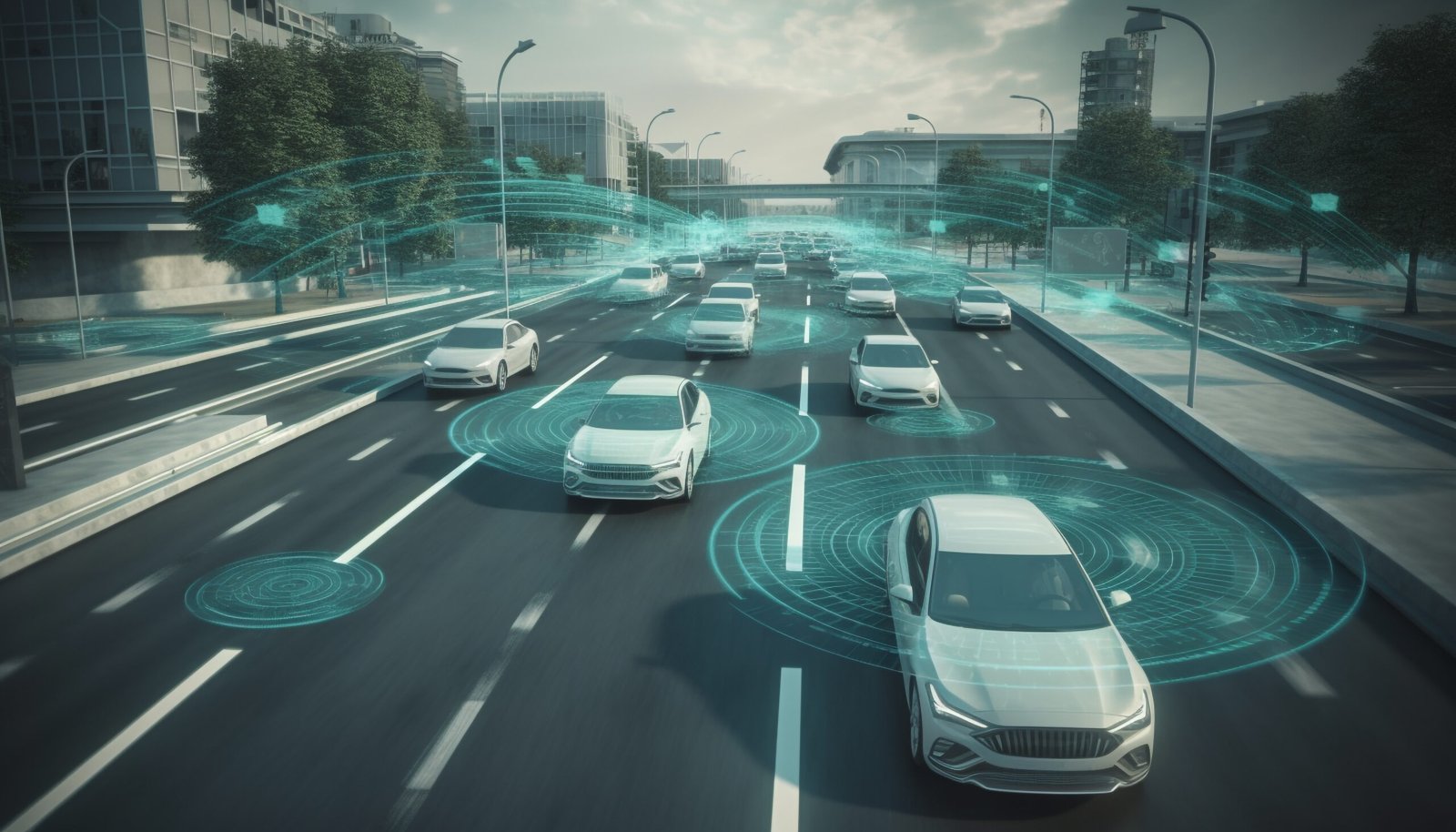
Technology is central to how we operate EV fleets. India’s EV penetration has increased from 0.7% in FY2019-20 to 8.2% in FY2025-26, showing how quickly the market is moving towards electric mobility. As fleets scale, simply deploying more vehicles is not enough. Our technology platform uses IoT devices, an integrated battery management system and vehicle sensors to monitor battery health, charging patterns, vehicle location, geo-fencing and driver behaviour. This gives us real-time visibility into fleet performance and helps us focus on predictive maintenance and high fleet uptime. For us, technology is not an additional layer. It connects the vehicle, driver, charging infrastructure and operations into one system.
What has been the biggest financial challenge in scaling an EV-first logistics company in India: was it vehicle cost, charging infrastructure, or working capital?
Scaling an EV-first logistics business requires investment across multiple parts of the operating model, so it is difficult to isolate the challenge to one cost head. Vehicle deployment, charging infrastructure, maintenance and working capital all have to be planned together as the fleet grows. For us, the focus has been on building utilisation and operational efficiency alongside fleet expansion. We have followed an execution-led approach, expanding across cities and mobility segments while developing the infrastructure and technology needed to support the fleet. This allows us to scale in a structured way while keeping the focus on sustainable and cost-effective operations.
How supportive has government policy been toward EV logistics adoption, and what changes would meaningfully accelerate Green Drive&’s growth?
Government policy has been supportive of India’s EV transition through incentives for vehicle adoption, charging infrastructure and domestic manufacturing. The PM E-DRIVE scheme has an outlay of ₹10,900 crore and covers segments including e-trucks and e-buses, while ₹2,000 crore has been earmarked for public EV charging infrastructure. At the state level, 29 states and Union Territories had notified EV policies by December 2025, creating additional incentives for adoption and investment.
At Green Drive, we believe the next step is to make policy support more consistent and aligned with the needs of commercial fleets. It would make a big difference if approvals were faster, charging stations were more reliable, financing was easier to get, and commercial fleets that used their batteries a lot were rewarded. Fleet operators spend a lot of money on vehicles, charging stations, and technology, so it’s important that policies are predictable. For us, a stronger mix of incentives for vehicles, charging stations, and policies that focus on fleets would help speed up the adoption of EVs, make operations more efficient, and support growth in more places.
How do you decide which vehicle technologies (2W, 3W, 4W, buses) to prioritize as the fleet diversifies?
At Green Drive, we prioritise vehicle technologies based on the specific requirements of each mobility and logistics use case rather than following a one-size-fits-all approach. We look at factors such as daily utilisation, route length, payload, operating costs, charging requirements and total cost of ownership. Two-wheelers and three-wheelers can be effective for last-mile deliveries and shorter urban routes, while four-wheelers and larger vehicles are better suited to higher payload requirements and longer operating cycles. Vehicle availability, battery performance, charging access and reliability before adding a new category to our fleet. As the fleet diversifies, our focus remains on matching the right vehicle to the right application so that customers can achieve greater efficiency, predictable operations and lower running costs. This approach allows us to scale different EV categories while maintaining operational reliability and meeting the varied requirements of customers.
Beyond deploying electric vehicles, what other levers is Green Drive pulling to advance India’s carbon-free mobility goals?
Our focus is on improving the efficiency of the entire mobility ecosystem through technology, fleet management and responsible operations. Route optimisation, real-time fleet monitoring, driver behaviour tracking and preventive maintenance help improve vehicle utilisation, reduce unnecessary travel and support better energy efficiency. Charging strategy is another important area, with better planning helping minimise downtime and improve fleet productivity. We also work on matching the right vehicle to the right use case so that vehicles are utilised efficiently across different operating conditions.
The need for this approach is significant, with India’s transport sector contributing an estimated 142 million tonnes of CO₂ emissions annually, of which road transport accounts for around 123 million tonnes. As India works towards net-zero emissions by 2070, we use electrification, data-led fleet management, efficient charging and better utilisation as complementary levers for building lower-emission mobility at scale.
Enjoyed this interview? Now imagine yours. Write to:
editor@thefoundermedia.com