Tesla’s rollout of its driverless Cybercab in the US has come under regulatory scrutiny, with federal authorities examining whether the vehicle met the required safety and certification standards before entering service.
The National Highway Traffic Safety Administration (NHTSA) has initiated an audit of Tesla’s certification process, including the technical information used to establish compliance. The agency is also assessing whether Tesla determined that certain Federal Motor Vehicle Safety Standards were not applicable to the purpose-built autonomous vehicle.
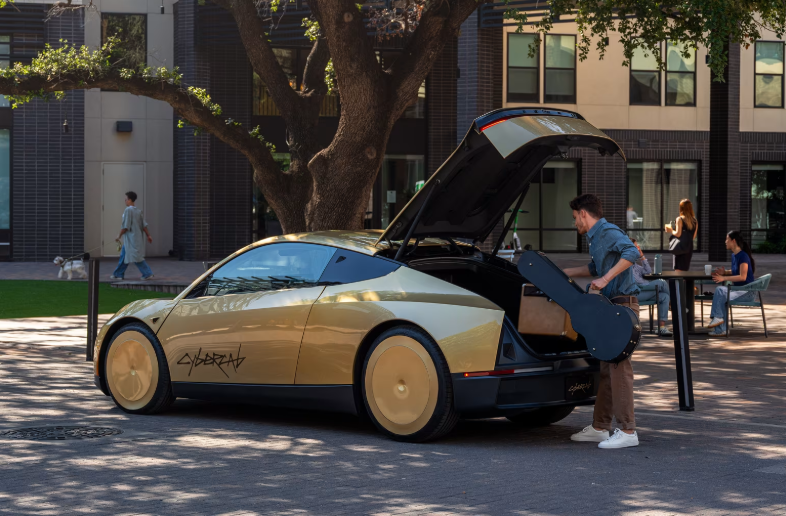
The Cybercab is designed specifically for fully autonomous operation and does away with conventional driving controls, including a steering wheel and pedals. Tesla has identified the vehicle as a key component of its planned robotaxi business, which aims to make autonomous transport a significant part of the company’s future.
Tesla began deploying the Cybercab in Austin, Texas, in early September. State records indicate that 45 of the vehicles are currently registered in Texas, while the NHTSA audit is expected to cover approximately 1,000 Cybercabs as Tesla prepares for a wider commercial rollout.
The regulatory review comes at a time when US authorities are reconsidering existing vehicle standards for autonomous transportation. NHTSA is examining requirements involving traditional vehicle components such as brake pedals and rear-view mirrors, with the broader objective of determining which rules may need to evolve for purpose-built robotaxis.
NHTSA Administrator Jonathan Morrison said the agency supports the responsible development of automated vehicles but stressed that manufacturers must comply with applicable federal requirements.
Tesla’s regulatory challenge comes as competition in the US robotaxi market intensifies. Zoox, Amazon’s autonomous vehicle subsidiary, recently secured a federal exemption allowing its purpose-built driverless vehicles to operate commercially in Las Vegas. Waymo, meanwhile, has expanded its autonomous ride-hailing network across multiple US cities using conventional vehicles adapted for self-driving technology.
For Tesla, the Cybercab represents a major bet on autonomous mobility as the company seeks new growth opportunities beyond electric vehicle sales. CEO Elon Musk has repeatedly highlighted self-driving technology and AI as central to Tesla’s long-term strategy, alongside projects such as its Optimus humanoid robot.
Send news announcements/press releases to:
jeevika@thefoundermedia.in